



Libertarian Party logo and 2026 LNC News masthead

Latest News

Fresh from the LNC News desk

Scales of justice with a heavy hand pressing down on one side, tipping the balance

Judicial Committee · Affiliate Rights

JC Demands State Parties Prove They're Allowed to Speak

The Judicial Committee is set to hear the New Hampshire disaffiliation appeal, but before six state affiliates can even file an amicus brief, JC Chair Ken Moellman is demanding they produce bylaws excerpts or meeting minutes proving their elected chairs are authorized to sign — a burden the rules do not impose.

Read : JC Demands State Parties Prove They're Allowed to Speak
Red warning sign reading 'You Are Being Watched' with a silhouette of a surveillance camera

Civil Liberties · Surveillance

LP Condemns Warrantless Mass Surveillance as Police Deploy License Plate Readers and Signal Trackers Nationwide

The Libertarian National Committee passed a resolution demanding an end to warrantless government tracking of Americans' movements through Automated License Plate Readers, Flock Safety cameras, and passive signals-intelligence platforms that vacuum up Bluetooth, Wi-Fi, and RFID emissions from everyday devices.

Read : LP Condemns Warrantless Mass Surveillance as Police Deploy License Plate Readers and Signal Trackers Nationwide
Campaign graphic for Jeremy Todd, Libertarian candidate for United States Congress in Kentucky's 4th District

Governance · Fundraising

LNC Weighs Louisville Meeting Built Around Kentucky Congressional Fundraiser

A substitute motion on the LNC's public list would move the board's next regular meeting to Louisville, Kentucky and anchor it to a fundraiser for Libertarian congressional candidate Jeremy Todd, replacing an earlier proposal for a December gathering in El Paso.

Read : LNC Weighs Louisville Meeting Built Around Kentucky Congressional Fundraiser
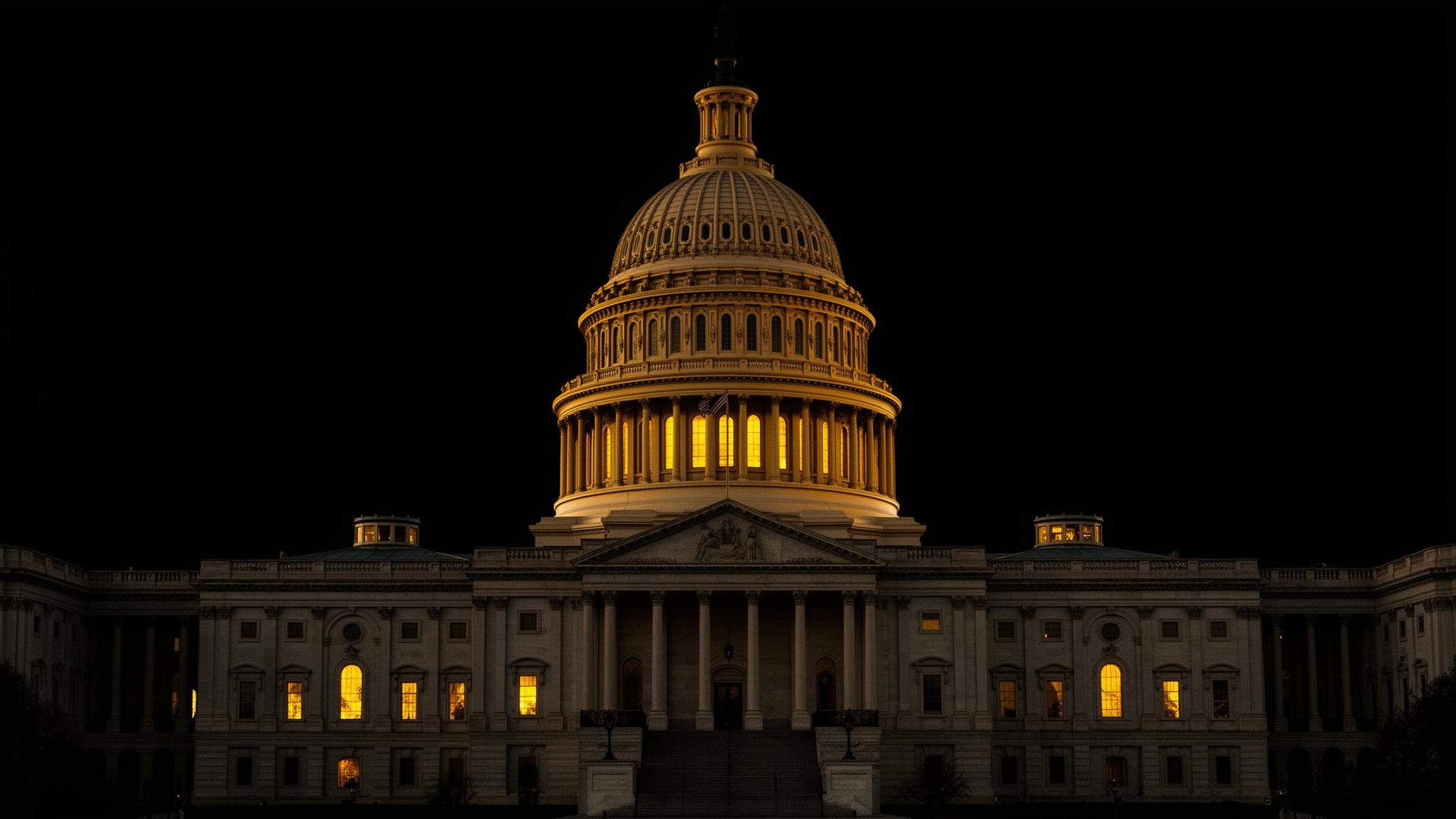
The Capitol at night

What is a Libertarian?

True libertarianism is the principled recognition and defense of certain foundational truths that exist independently of human opinion, government decree, or cultural trend. These principles are inherent in the nature of reality itself, rooted in the observable facts of human existence, reason, and voluntary interaction.

They are not invented by any party, philosopher, or constitution; they are discovered. They precede the state and survive it. To be a true libertarian is to align one's life and politics with these self-evident realities:

  • Sovereignty Of The Individual
  • Prohibition On Initiated Force
  • Sanctity Of Justly Acquired Property
  • Unmatched Power Of Uncoerced Cooperation

What Libertarians Believe.

01

What Libertarians Believe About

Individual Rights

We hold that all individuals have the right to exercise sole dominion over their own lives, and have the right to live in whatever manner they choose, so long as they do not forcibly interfere with the equal right of others to live in whatever manner they choose.

Self-ownership is the foundation of human relations. Each person owns their body, their mind, and the choices that flow from them. No external authority holds a superior claim over an adult's peaceful decisions.

Personal habits, lifestyles, and private behaviors remain off limits to government control provided they stay nonviolent. There is a distinct boundary between personal responsibility and legitimate public concern.

Because rights are equal, one person's freedom ends where another's begins. The effect is reciprocal. It protects diversity, prevents harm, and rejects every attempt to sacrifice some individuals for the comfort or goals of others.

02

What Libertarians Believe About

The Rights to Life, Liberty, and Property

…(1) the right to life — accordingly we support the prohibition of the initiation of physical force against others; (2) the right to liberty of speech and action — accordingly we oppose all attempts by government to abridge the freedom of speech and press, as well as government censorship in any form; and (3) the right to property — accordingly we oppose all government interference with private property, such as confiscation, nationalization, and eminent domain…

The right to life demands an absolute ban on the initiation of force. No person or group may rightfully start violence against another. This rule applies equally to private individuals and public agents.

The right to liberty protects open expression and voluntary action. Governments must not silence speakers, suppress publications, or dictate personal conduct. Free minds and free voices form the basis of discovery and accountability.

The right to property recognizes the fruits of one's labor as an extension of the self. Confiscation, nationalization, and forced transfers undermine the incentive to create and plan. Secure ownership encourages responsible stewardship of resources.

03

What Libertarians Believe About

The Role of Government

We, the members of the Libertarian Party, challenge the cult of the omnipotent state and defend the rights of the individual. … We, on the contrary, deny the right of any government to do these things, and hold that where governments exist, they must not violate the rights of any individual.

Governments hold no special moral status above ordinary citizens. They possess only delegated authority and must remain strictly bound by the rights of the people they serve. Unlimited power always leads to abuse.

Legitimate government action stays narrow and defensive. Its proper function centers on protecting citizens from force, fraud, and theft. Anything beyond this scope exceeds moral boundaries.

Libertarians stand apart from other political structures by insisting on explicit limits and rejecting consent-free interference in personal and economic affairs. This approach restores government to its proper place as protector. It also demands accountability from every public institution.

04

What Libertarians Believe About

Voluntary Cooperation and the Free Market

Since governments, when instituted, must not violate individual rights, we oppose all interference by governments in the areas of voluntary and contractual relations among individuals. … They should be left free by government to deal with one another as free traders; and the resultant economic system, the only one compatible with the protection of individual rights, is the free market.

Voluntary exchange respects the dignity of every participant. Adults negotiate terms, weigh risks, and reach mutual agreements without coercion.

The free market emerges naturally from such voluntary activity. Prices, wages, and production patterns adjust through countless individual decisions rather than central commands. This process coordinates resources with remarkable speed and accuracy.

Government interference in contracts and trade replaces consent with compulsion and reduces overall prosperity. Libertarians therefore favor complete separation of government from voluntary economic relations, preserving both individual rights and the powerful engine of human creativity and exchange.